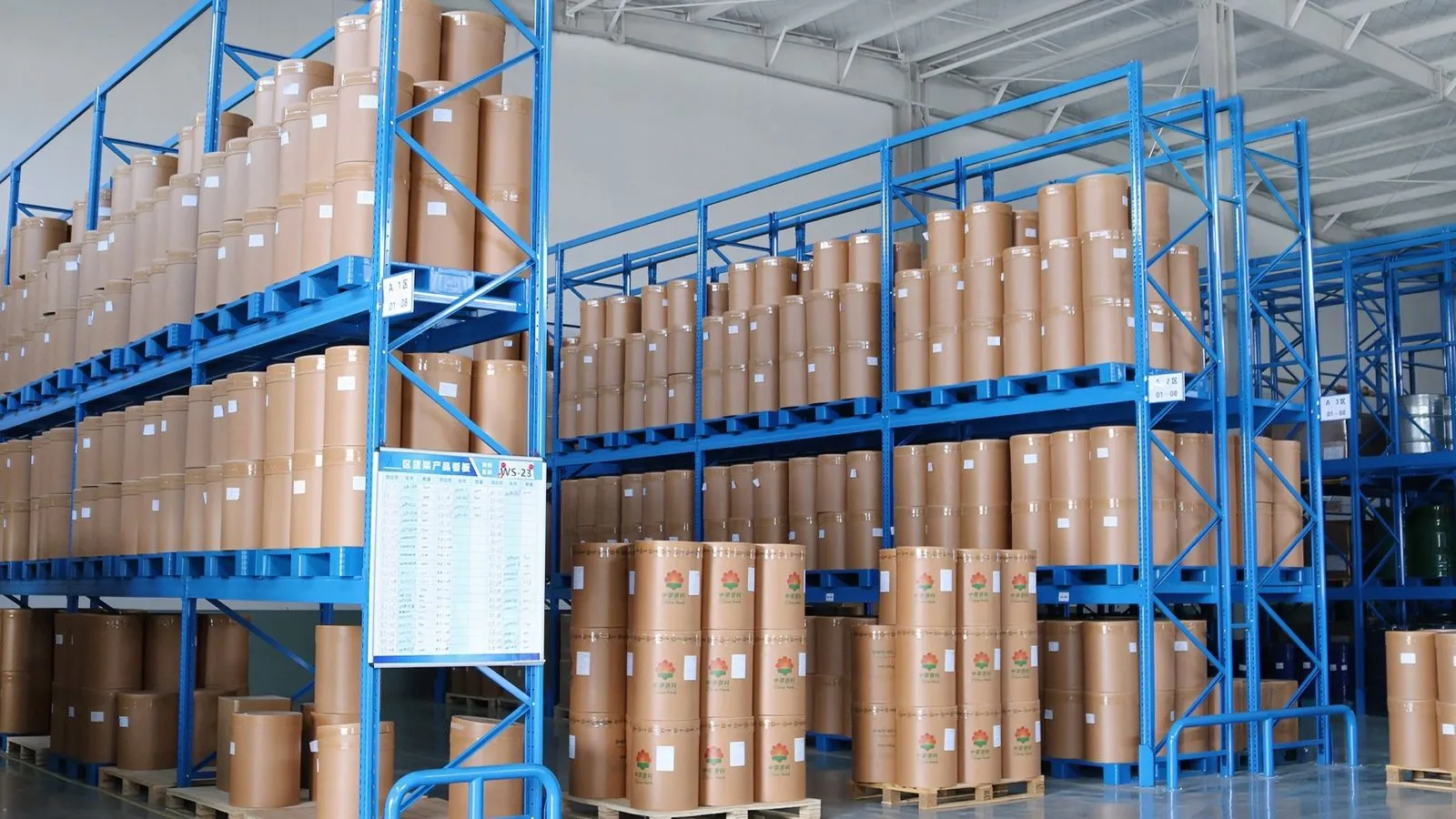

The company is a high-tech enterprise integrating the research, development, and production of biomass-derived products.......
Basic Information
Chemical Name: Piroctone Olamine
(1-Hydroxy-4-methyl-6-(2,4,4-trimethylpentyl)pyridin-2(1H)-one ethanolamine salt)
CAS Number: 68890-66-4
Molecular Formula: C16H30N2O3
Molecular Weight:298.43 g/mol
FEMA Number: Not applicable (primarily for cosmetic/pharmaceutical use)
Appearance: White to off-white crystalline powder
Purity: ≥98% (HPLC grade)
Packing Specification: Aluminium foil bag(1/5kg) Fiber drums (25 kg)
Melting Point: 134.0 to 138.0 °C
Density: 1.1[at 20℃] g/cm³
Solubility: Slightly soluble in water; soluble in ethanol, propylene glycol, and polar organic solvents.
Application Fields
Personal Care & Cosmetics
Anti-Dandruff Agent: Key active ingredient in shampoos, conditioners, and scalp treatments to inhibit Malassezia fungi and reduce flaking.
Anti-Seborrheic Formulations: Used in creams and lotions for oily/acne-prone skin.
Hair Care: Stabilizes scalp microbiome and prevents scalp irritation.
Pharmaceuticals
Topical Antifungal: Incorporated into medicated products for seborrheic dermatitis and psoriasis.
Industrial Applications
Preservative Booster: Enhances efficacy of cosmetic preservative systems in combination with other actives.
Safety & Storage
Safety: Avoid inhalation and eye contact. Use in rinse-off products at concentrations ≤1.5% (leave-on ≤0.5%). Non-irritating at recommended doses (OECD 404/405 tested).
Storage: Store in a dry, cool place (15–25°C) protected from moisture. Shelf life: 36 months in unopened containers.
Basic Information
Chemical Name: Piroctone Olamine
(1-Hydroxy-4-methyl-6-(2,4,4-trimethylpentyl)pyridin-2(1H)-one ethanolamine salt)
CAS Number: 68890-66-4
Molecular Formula: C16H30N2O3
Molecular Weight:298.43 g/mol
FEMA Number: Not applicable (primarily for cosmetic/pharmaceutical use)
Appearance: White to off-white crystalline powder
Purity: ≥98% (HPLC grade)
Packing Specification: Aluminium foil bag(1/5kg) Fiber drums (25 kg)
Melting Point: 134.0 to 138.0 °C
Density: 1.1[at 20℃] g/cm³
Solubility: Slightly soluble in water; soluble in ethanol, propylene glycol, and polar organic solvents.
Application Fields
Personal Care & Cosmetics
Anti-Dandruff Agent: Key active ingredient in shampoos, conditioners, and scalp treatments to inhibit Malassezia fungi and reduce flaking.
Anti-Seborrheic Formulations: Used in creams and lotions for oily/acne-prone skin.
Hair Care: Stabilizes scalp microbiome and prevents scalp irritation.
Pharmaceuticals
Topical Antifungal: Incorporated into medicated products for seborrheic dermatitis and psoriasis.
Industrial Applications
Preservative Booster: Enhances efficacy of cosmetic preservative systems in combination with other actives.
Safety & Storage
Safety: Avoid inhalation and eye contact. Use in rinse-off products at concentrations ≤1.5% (leave-on ≤0.5%). Non-irritating at recommended doses (OECD 404/405 tested).
Storage: Store in a dry, cool place (15–25°C) protected from moisture. Shelf life: 36 months in unopened containers.
Warehouse
Previous: Cis-3-Hexenyl benzoate
Next: Alpha-Damascone
ㅤRelated Products
Cis-3-Hexenyl Salicylate-
Cis-3-Hexenyl Salicylate
Sensory Characteristics Aroma: Fresh green, herbaceous, and slightly floral with a balsamic undertone (reminiscent of crushed leaves or meadows). Subtle sweet-minty nuance from the salicylate group. Taste: Mildly bitter and herbal; rarely used in foo...

2,4-Decadienal-2,4-癸二烯醛
2,4-Decadienal
Sensory Characteristics Odor: Low concentration (0.00004–0.0023 mg/m³): Citrus, orange, or grapefruit-like freshness High concentration: Dominant fatty, chicken fat aroma with a waxy undertone Taste: Savory/umami in concentrated forms (resembling fr...

Cis-3-Hexenyl Acetate-
Cis-3-Hexenyl Acetate
Sensory Characteristics Odor: Low concentration (0.5–1%): Intensely fresh banana-like aroma with a green, grassy undertone. High concentration: Dominant green leafy notes with a slightly fruity (apple, pear) complexity. Flavor: Diluted: Sweet, creamy...
Cis-3-Hexenyl Lactate(Leaf Lactate)-乳酸叶醇酯
Cis-3-Hexenyl Lactate(Leaf Lactate)
Sensory Characteristics Odor: Intense green, grassy (fresh-cut leaves) with creamy undertones Taste: Green, herbal with a fruity-lactonic finish

Cinnamyl propionate-
Cinnamyl propionate
Application Fields: used to prepare grape, raspberry and strawberry flavors for food; used as a flavor corrector in oriental flavors and also in cosmetics; used as a raw material for other flavors.

Damascenone-
Damascenone
Sensory Characteristics Odor:Strong floral and fruity aroma. The aroma of damascena smells fresh and natural, with notes of rose, plum, berry and tobacco. Application Fields Damascenone is mainly used as a synthetic flavors with the aroma of roses an...

Vanillyl butyl ether-
Vanillyl butyl ether
Application Fields 1.Vanillyl butyl ether can be used as a fragrance for cosmetics and used to prepare other compositions with certain functions. For example, vanillyl butyl ether is used to prepare a breast massage cosmetic using plant extracts. Che...

Beta Damascone-
Beta Damascone
Sensory Characteristics Strong fruity and floral aroma. Beta-damascena has a very diverse aroma, with notes of rose, plum, black currant, wine and tobacco. III. Application Fields 1.Beta Damascone can bring a unique aroma characteristic to various pe...

Cis-3-Hexenyl Butyrate (Leaf butyrate)-
Cis-3-Hexenyl Butyrate (Leaf butyrate)
Sensory Characteristics Aroma: Fresh green, intense "cut grass" or leafy note with a fruity undertone (reminiscent of green apples or unripe bananas). Slightly sweet and creamy nuance from the butyrate ester. Taste: Mildly fruity and herbaceous at lo...
Dihydroactinidiolide-二氢猕猴桃内酯
Dihydroactinidiolide
Sensory Characteristics Aroma: Warm, woody, and tea-like with subtle tobacco or hay undertones. Mild sweetness and earthy complexity. Taste: Bitter-sweet at low levels; enhances umami in savory applications. Intensity: Moderate persistence, ideal for...

Cis-3-Hexenyl hexanoate-
Cis-3-Hexenyl hexanoate
Sensory Characteristics Aroma: Fresh, green, and herbal notes reminiscent of cut grass or unripe fruits. Subtle fruity undertones (e.g., apple or banana-like nuances). Taste: Mild, slightly sweet, and leafy flavor at low concentrations. Intensity: Mo...

5-Methyl-2-phenylhex-2-enal (Cocal)-
5-Methyl-2-phenylhex-2-enal (Cocal)
Sensory Characteristics Aroma: Green, herbal, and aldehydic with hints of fruity (e.g., citrus or apple-like) nuances. Mild floral undertones and a fresh, slightly sharp edge. Taste: Subtle bitterness at higher concentrations; used sparingly for enha...
Cis-3-Hexenyl Salicylate-
Cis-3-Hexenyl Salicylate
Sensory Characteristics Aroma: Fresh green, herbaceous, and slightly floral with a balsamic undertone (reminiscent of crushed leaves or meadows). Subtle sweet-minty nuance from the salicylate group. Taste: Mildly bitter and herbal; rarely used in foo...
2,4-Decadienal-2,4-癸二烯醛
2,4-Decadienal
Sensory Characteristics Odor: Low concentration (0.00004–0.0023 mg/m³): Citrus, orange, or grapefruit-like freshness High concentration: Dominant fatty, chicken fat aroma with a waxy undertone Taste: Savory/umami in concentrated forms (resembling fr...
Cis-3-Hexenyl Acetate-
Cis-3-Hexenyl Acetate
Sensory Characteristics Odor: Low concentration (0.5–1%): Intensely fresh banana-like aroma with a green, grassy undertone. High concentration: Dominant green leafy notes with a slightly fruity (apple, pear) complexity. Flavor: Diluted: Sweet, creamy...
Cis-3-Hexenyl Lactate(Leaf Lactate)-乳酸叶醇酯
Cis-3-Hexenyl Lactate(Leaf Lactate)
Sensory Characteristics Odor: Intense green, grassy (fresh-cut leaves) with creamy undertones Taste: Green, herbal with a fruity-lactonic finish
Cinnamyl propionate-
Cinnamyl propionate
Application Fields: used to prepare grape, raspberry and strawberry flavors for food; used as a flavor corrector in oriental flavors and also in cosmetics; used as a raw material for other flavors.
Damascenone-
Damascenone
Sensory Characteristics Odor:Strong floral and fruity aroma. The aroma of damascena smells fresh and natural, with notes of rose, plum, berry and tobacco. Application Fields Damascenone is mainly used as a synthetic flavors with the aroma of roses an...
Vanillyl butyl ether-
Vanillyl butyl ether
Application Fields 1.Vanillyl butyl ether can be used as a fragrance for cosmetics and used to prepare other compositions with certain functions. For example, vanillyl butyl ether is used to prepare a breast massage cosmetic using plant extracts. Che...
Beta Damascone-
Beta Damascone
Sensory Characteristics Strong fruity and floral aroma. Beta-damascena has a very diverse aroma, with notes of rose, plum, black currant, wine and tobacco. III. Application Fields 1.Beta Damascone can bring a unique aroma characteristic to various pe...
Copyright © 2026 Anhui Chinaherb New Material Co., Ltd.